A digital record from design to delivery

Construction Website Design for Architecture and Delivery Teams

Construction website design should show more than the scale of a building. Visitors need to know who designed it, which work packages you delivered, and its current stage. HazırSoft builds portfolio structures that connect project details, image permissions, technical documents, and new inquiries for construction and architecture teams. We agree the boundary between public presentation and project management at the outset.

  • Clear distinction between concepts, ongoing work, and completed projects
  • Project details and discipline-specific contributions
  • Technical documents with revision numbers
  • Initial project inquiries with controlled plan attachments
  • Links from material details to application examples
  • Publication permissions and team approval
karacatadilat.com.tr
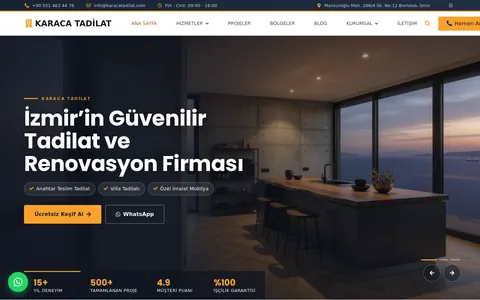
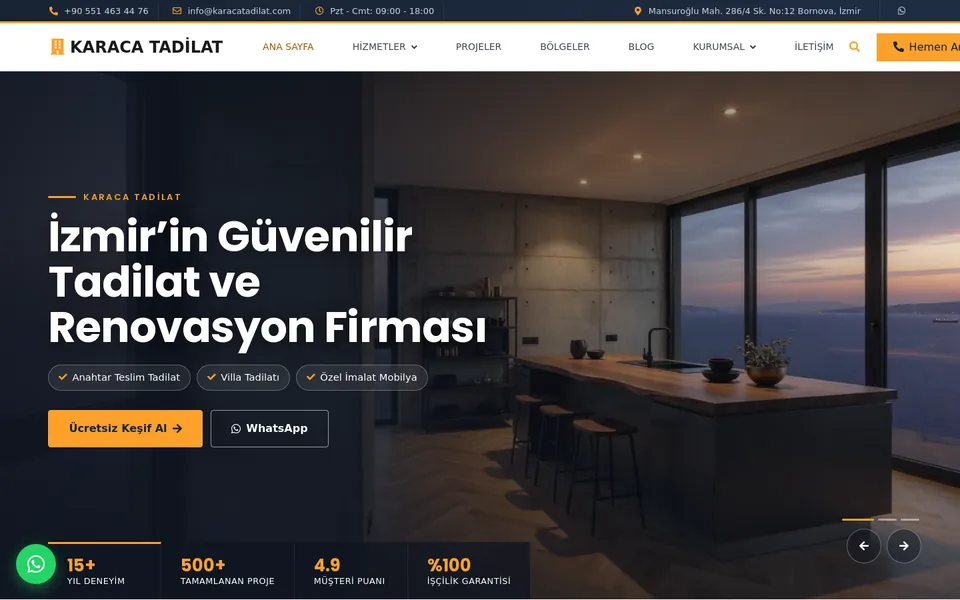
Karaca Tadilat — Business website with a local SEO structure
Our live project Karaca Tadilat · Renovation & Remodeling

Industry-specific modules

Organize the Project Data Behind Your Portfolio

An architecture practice, main contractor, and renovation team describe the same project from different roles. We establish your contribution first, then select information that helps visitors make a decision. Publishing a zoning or permit document is not the same decision as showing a facade detail. Module design starts by separating the files you hold and deciding who may share each type of information.

Project Archive with Clear Credits

We store building type, discipline, and project status separately. Your team approves labels distinguishing renderings, site photographs, and completed interiors, along with project partners and photography credits.

Services Defined by Work Package

Separate architectural design, construction documentation, site supervision, and turnkey delivery. Each page explains outputs, initial documents required from the client, and exclusions. Capability claims require your approval.

Revision-Controlled Document Library

We use document codes, revisions, and validity dates for product sheets and catalogs. Publishing rules can prevent accidental downloads of obsolete versions. Signed project drawings require a separate decision about authorized sharing.

Initial Project Brief

Begin with a new-build or existing-space choice. Approximate area, expected work package, and target period support an initial review. Title deeds and identity images are not requested at first contact. Plan uploads have defined access limits.

Team Roles and Responsibilities

Profiles explain design, coordination, or site responsibilities rather than listing titles alone. Professional registration and expertise are published only from information your business verifies. Departing staff access and public profiles follow separate update processes.

Project Information for International Buyers

Explain building use and design intent in terms your audience understands. Area units, project stages, and technical-document versions remain consistent across languages. An unapproved specification translation is not labeled as a translated file.

Materials Linked to Project Details

We connect stone, joinery, or facade systems to their actual project applications. Installation conditions, maintenance needs, and manufacturer documents occupy distinct fields. The website does not replace engineering calculations or conformity assessment.

Publishing Responsibility Dashboard

Project managers review scope, designers review galleries, and authorized editors check publication permission. Draft and published versions can remain separate. Image replacements trigger review of captions and credits, with clear staff responsibilities.

From a Visual Portfolio to a Readable Project Record

We structure a project page around the original need, spatial constraints, design response, and your company’s contribution. For a commercial refurbishment, circulation, lighting, and construction phases might be explained separately. This is a method for preparing content, not a claim about a client result. Area figures specify whether they are net or gross, and design year is distinguished from completion year. Phased work in an occupied building can be described, while addresses and security details remain subject to publication permission. Drawings, renderings, and photography are ordered to help readers follow the process.

Quality does not require sending the largest original photograph to every phone. We prepare screen-appropriate images, proportionate previews, and meaningful descriptions. A text summary gives essential information to readers who cannot access a site plan. Client permission, architectural copyright, and photographer licensing belong in the content handover list; images found online are not portfolio assets. A business website communicates company identity, while project records show which work packages demonstrate your expertise. A reference must not imply that you designed the entire building when your contribution was more limited.

Preparing Project Inquiries for Technical Review

An initial inquiry prepares a conversation and assesses suitability; it does not produce a definitive remote price. New construction, refurbishment, and restoration lead to different questions. Occupancy and intended changes matter for an existing space, while project stage may matter more for a new build. Unknown approximate area does not block an inquiry. If plans can be attached, file format and size limits, malicious-file checks, and authorized access are defined. Private documents are stored separately from public galleries, with agreed download-link duration and closure handling.

  • Record the inquiry number, work package, and initial reviewer together.
  • Show privacy information without requiring marketing consent to request a project review.
  • Link consultation scope notes to the inquiry and retain the original file version.
  • Agree retention schedules and access to closed inquiries with your business.

A CRM connection matches the inquiry identifier to a client record without merging separate projects from the same person into one job. Custom software development can add survey reports, revision approvals, and proposal versions as separately permissioned internal operations, not assumed extensions of a public form.

Search and Document Architecture for a Project Archive

Useful portfolio filters do not need to create a separate search-indexed page for every combination. We select meaningful entry pages for building types and disciplines instead of multiplying empty or near-identical lists. Image filenames and alternative descriptions explain the space rather than stuffing keywords. Migrated projects have recorded URL mappings. Whether PDF catalogs are indexed depends on whether their content is public. A robots directive cannot secure a private file: access must be controlled by the application.

The content schedule follows what your site or design team can genuinely document. An article about a detail connects to the relevant built example, and service-area descriptions stay within your actual delivery capability. SEO services can review project discoverability and journeys to project inquiries without sending client plans or personal documents to analytics providers. Our work illustrates design and presentation approaches. A published example does not mean every proposed operations module has already been delivered within that reference.

Scoping a Portfolio and Project Workflow

Data organization matters more than photograph count. A gallery-only practice has different needs from a contractor requiring materials, document revisions, and inquiry routing. Linking archive images to project codes, securing publication permission, and separating obsolete files form part of content preparation. We review project details, gallery, and document fields using one sample before the whole archive is entered. Technical editing for other languages is scoped separately from dashboard development.

A sample archive, your work packages, and the approval team give us a useful starting point through the quote form. We deliver remotely from Turkey under a written contract with invoices. Source code handover includes the portfolio data model, setup information, and third-party usage terms. One year of technical support after delivery has written limits; developing a new project-management module differs from correcting an issue in agreed functionality. Content leads help decide which projects move first and how old URLs map to the new archive.

FAQs

Construction & Architecture — frequently asked questions

Can’t find your question?Let's clarify your needsSend us a message

Can renderings and completed projects share one portfolio?

Yes, with separate project-status and image-type fields. Cards identify concept or built work, and gallery captions distinguish design images from completed spaces. Labels must not imply that a rendering depicts a finished building.

Can anyone download DWG or BIM files?

Public sharing is not assumed. Intellectual property, client permission, personal information, and security details need review. Controlled file sharing can be developed if approved. Browser-based BIM viewing and model coordination require separate integration assessment; a simple document library does not include them.

Can we show contributions from different disciplines?

Project details can distinguish architectural, structural, mechanical, interior, and construction contributions. Partner names and credits require permission. Filters reflect the services you delivered, and joint work is not relabeled as solely your company’s creation.

Does the inquiry form calculate project costs automatically?

Its default role is collecting information. Automatic estimates require agreed quantity sources, units, exclusions, and update responsibility. Incomplete site information must not appear to produce a definitive quote. An indicative calculation and an approved commercial proposal remain distinct.

How do you present high-resolution architectural photography?

Original archive files and web images are separate. Large-screen detail is balanced with phone-sized files. Design review checks proportions and cropping. Captions, usage rights, and photographer credits remain attached to the project record.

What happens to a catalog link after a revision?

A document can have a stable record identifier while each file has version information. Downloads show the current revision, with older files restricted as needed. The document owner decides which version links on other pages should reach.

Get a quote

Let's Discuss Your Project

Let's clarify your needs

Message us on WhatsApp