Ecommerce Website Development: A Sales-Ready Foundation
Define your online store’s products, orders, and returns from the outset.
SEO audits and consulting
SEO services should begin with diagnosis, not more text on every page. Falling organic traffic can come from crawl barriers, competing pages, or visitors arriving for the wrong queries. We evaluate technical findings alongside search intent and business objectives. Our plan explains which URLs should appear and why, and assigns implementation access, content ownership, and measurement sources to each task. We assess more than total visits. We address SEO requirements remotely for sites across Turkey and software projects targeting France, Belgium, Switzerland, and other French-speaking countries. Review meetings in English or Turkish explain indexing decisions for each language version and give the development team actionable technical tasks.

Service scope
We review status codes, robots rules, canonicals, and internal links together. One tool warning is not automatically a confirmed problem.
View detailsWe compare page scope with the answer a query needs. Justify title edits, expanded content, and consolidation.
View detailsWe check profile eligibility and genuine service areas. Do not invent addresses or locations for visibility.
View detailsWe review filters, product lifecycles, and categories together, comparing crawlable URL volume with commercial value.
View detailsWe analyze query groups and search-result formats. Estimated volume, actual demand, and conversions are different measures.
We review link context and risks, and consider relevant referral opportunities through genuinely useful content.
We distinguish field data from lab measurements and investigate loading and interaction bottlenecks in affected templates.
View detailsWe provide technical work items and content briefs for your own development team, with post-implementation acceptance reviews.
View detailsWe explain completed work, measurement limits, and next hypotheses. More impressions are not automatically business success.
View detailsSearch engine optimization starts with business goals and the decisions visitors need to make. A manufacturer may want technical searches to generate quotes, a publisher wants readers, and a store wants category visits to become sales. The same traffic increase means different things. Together with your team, we define the visitor’s question and the decision the page should support.
SEO asks whether search engines can reach content, whether pages meet query needs, and whether visibility creates business value. Crawling, indexing, and ranking are separate stages. A crawled URL is not necessarily indexed; an indexed page is not necessarily prominent for the intended query. Audits keep those distinctions clear.
Together with your team, we establish a baseline. We separate brand queries from new-customer intent and review countries, devices, and page types. Volume estimates can suggest demand but do not establish sales capacity. Citations in AI-assisted results are another observation area, not a promise of visibility or recurring traffic.
Targeting more keywords can enlarge reports without clarifying value. We explain which problem each page solves and its next step. We describe the expected contribution of technical and content work within that framework.
Organic clicks do not incur a per-click ad charge, but content, implementation, and maintenance still cost money. Comparisons with advertising should include those costs. Visibility is not permanent: competition, search systems, and expectations evolve.
We group findings by page type rather than disconnected warnings. One template fault may affect many URLs; minor issues on low-value pages may not deserve first priority. We assess impact, feasibility, and dependencies together.
Read status codes, redirect chains, robots barriers, and canonical choices together. We check whether sitemap URLs are accessible and eligible for indexing. For JavaScript content, examine how links and primary information appear. Our technical SEO checklist (in Turkish) gives a starting framework; actual behavior guides decisions.
We group related intent instead of creating a page for every word. We review whether results favor guides, product lists, or service pages. Overlapping URLs may need clearer boundaries, consolidation, or different links. Specialist content relies on your expertise; keyword frequency does not establish accuracy.
We use eligible profile types and verified contact details. Evaluate real scope and useful local information instead of duplicating pages for every city. Reviews need genuine experiences, not fabricated feedback or physical locations.
Variants and filters can create many URLs. We identify combinations serving search demand versus navigation only. Stockouts and permanent removals differ. Product structured data must match visible prices and availability. If the platform cannot support these decisions, assess changes to your ecommerce infrastructure separately.
A consulting report is valuable when it is actionable, not merely long. Findings need affected URLs, expected behavior, recommended changes, and acceptance criteria. Your developers can turn them into tracked work. We show what is implemented, what is waiting, and why.
Content resources, development capacity, and approvals determine the model. Site-wide changes may require a sample-template trial and rollback plan. Report-only delivery and ongoing implementation have different responsibilities. We work under a written contract with invoices, with meeting frequency and implementation authority defined.
We locate the layer causing the issue first. A wrong canonical may come from a record, template, or cache; a correct application redirect may gain another hop at the server. One HTML snapshot does not represent every URL. Together with your team, we define the change and its scope.
Multilingual sites need reciprocal language links, clear missing equivalents, and consistent self-canonicals. For speed issues, examine loading behavior before focusing on a lab score. Sufficient field data helps assess experience; missing field data does not prove speed or slowness.
Many findings can be addressed within the existing system. Prefer feasible improvements in the current system. Where access is very limited, consider search-friendly web design; complex data and business rules may need custom software. Migration includes content, URLs, and measurement. Our references show implementation examples, not promised search outcomes for other sites.
We explain available sources at the outset. Search Console clicks and analytics sessions measure different things. Consent, tags, and device changes affect conversion records. Do not force data sources to match; explain their boundaries.
Average position needs context because changes in query mix can alter it. Consider seasonality, brand campaigns, and publishing dates. We record intervention dates and compare periods without attributing simultaneous unrelated changes to SEO. Accounts remain under your control, with appropriate access granted.
Query and inquiry data from Google Ads management can inform content. Paid keywords do not necessarily behave the same organically: pages, messages, and context differ. Interpret shared data with those limits.
Advertising does not buy organic rankings. Shared learning helps clarify buying questions. Comparable form and purchase definitions allow meaningful comparisons; inconsistent definitions must be disclosed.
Our process
The first plan is an observation and implementation sequence, not a results deadline. Access, platform flexibility, and content approval determine workload. Completed changes and hypotheses for further review remain separate.
Together with your team, we define page types and business actions. We review access and record branded-query share and data gaps.
We review result formats and expectations. We map existing pages to queries and flag overlaps.
We record affected templates and example URLs. Together with your team, we define expected behavior, dependencies, and acceptance, then prioritize impact and feasibility.
We verify necessary answers with subject experts. Complete explanations and links and reduce unnecessary repetition.
We assess publishable research, technical documents, and partnerships. We use genuine material for relevant publications, not purchased link counts as success.
We compare intervention dates with data changes. State limitations and add specific questions to the next cycle.
Pricing
Keyword count alone does not define a budget. Technical access, content ownership, and page types determine the working model. We assess these workloads separately:
Result formats and competing content affect research effort. Competition does not justify buying more links.
Template access, technical debt, and publishing processes affect timing. Separate consulting from development where changes are restricted.
Categories, products, and filters need different audit approaches. Similar URLs are not estimated solely by individual page count.
Intent, equivalents, and local eligibility require market-specific research, not translated Turkish keyword lists.
Preparation and technical approval belong in the plan. Editing existing material differs from creating specialist briefs.
Focused audits, consulting, and direct implementation have different responsibilities, including review and meeting capacity.
For a firm quote: The proposal defines audit scope, implementation capacity, and approvals you provide. Tools and third-party costs are identified where needed. New findings affecting scope are explained before implementation. Unspecified link quantities and ranking promises are not pricing items.
Get a Free QuotePortfolio
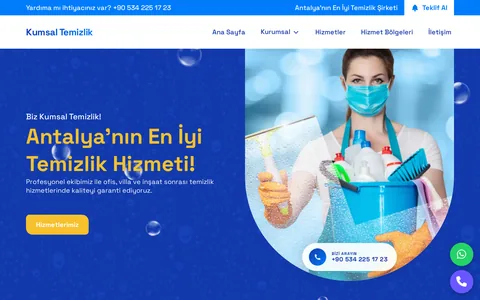
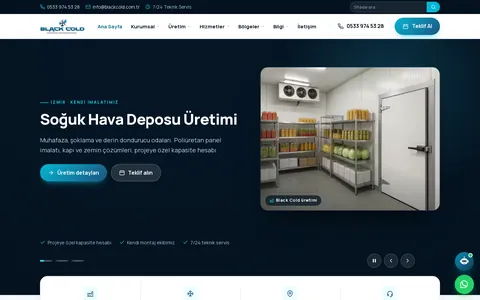
These websites are live. Visit them to explore the work yourself.
All project referencesFAQs
No. Robots rules restrict crawling; noindex instructs exclusion when read. Blocking a URL can prevent search engines from seeing its noindex. Assess rules together for the intended behavior rather than adding every issue to robots.txt.
A canonical signals the preferred URL but does not guarantee selection. Review links, redirects, sitemaps, and content relationships. A tag alone may not resolve conflicting signals.
Check whether they answer the same need or distinct use cases. Clarify boundaries, consolidate, or adjust links as appropriate. Deletion is not always right; existing traffic and content value matter.
First examine queries, devices, and page types. Measurement changes, demand shifts, and faults have different causes. Rebuilding is considered only when the current system’s limitations are demonstrated, not instead of diagnosis.
It must meet the platform’s eligibility conditions. We do not recommend inventing a visitor address. Genuine service-area content and organic planning are separate from profile eligibility.
Separate audits, correction ownership, content, and reporting. Explain capacity and approval dependencies. When using our free proposal form, include your platform and target page types for a useful initial review.
We learn your actual service areas and customer questions from your team, then look for meaningful differences rather than pages with swapped city names. Online collaboration lets us assess international targets from Turkey without implying a physical branch in those markets. We agree market priorities, local expertise, and content approval responsibilities with your team through remote meetings.
Think it through with us
Campaign management grounded in search intent, commercial value, and verified conversions.
View detailsAccessible, measurable web interfaces shaped around the content people need.
View detailsOnline stores with consistent business rules from catalog browsing to returns.
View detailsBlog
Define your online store’s products, orders, and returns from the outset.
Compare sales channels by contribution margin, customer relationships, and inventory.
Make data flows between payments, warehouses, and shipping traceable.
Get a quote
Let's clarify your needs