

Ecommerce Website Development: A Sales-Ready Foundation
Define your online store’s products, orders, and returns from the outset.
Software development partner in Turkey
Custom software development turns staff decisions, record lifecycles, and internal approvals into working applications for UK and US companies and teams in Ireland and the EU. HazırSoft delivers remotely from Turkey, designing CRM, ERP, SaaS, and distributor portals as operational systems with defined boundaries and acceptance criteria, not collections of modules. Migrating existing data and running the new system matter as much as development. We are also open to remote projects across Turkey and the DACH region. Business workflows define the scope for projects targeting Russia and the CIS, the Gulf, and French-speaking markets including France, Belgium, and Switzerland. Analysis and release reviews take place in English or Turkish. We work under a contract with invoices; source code handover and rights are agreed in the contract. One year of post-delivery technical support covers the agreed development scope.
Service scope
Model customer identity, opportunity stages, quote revisions, and changes of account owner in traceable sales records.
View detailsPreserve the movements behind inventory and account balances. Manage transfers, stock adjustments, and document corrections separately.
View detailsTogether with your team, we define product behavior for tenant isolation, plan limits, and subscription states.
View detailsWe design distributor permissions, pricing priorities, credit limits, and approvals throughout the order lifecycle.
View detailsCoordinate staff, room, and vehicle capacity, including temporary holds and cancellations.
View detailsWe build screens around operational tasks, with record-level access, concurrent editing, and explainable history.
View detailsTogether with your team, we define approval conditions and failure states for scheduled work. We keep steps requiring human review visible.
Together with your team, we define metrics, date ranges, and included statuses, then verify reports against known data.
We identify authoritative external data sources and connect systems using clear transaction identities and error states.
Explore this pageFor UK and US companies, we assess custom software development around business decisions before counting screens. Who accepts an order, when it is rejected, what happens without enough stock, and how corrections are recorded are starting points. If staff use different methods for the same task, agree a shared rule before automation. Otherwise software spreads ambiguity faster instead of resolving it.
Discovery uses sample documents, anonymized records, and everyday exceptions. Cancellations, missing information, incorrect prices, and unauthorized requests matter alongside successful flows. Each module defines expected outcomes, user roles, and failure behavior. This turns a broad feature list into measurable acceptance scenarios.
If a standard product meets the need, building another system is not essential. Custom development makes sense for business-specific decisions, distinct organizational data boundaries, or operations existing products cannot support. Together we decide what stays, what changes, and why.
A browser-based management application needs more than responsive screens. Hiding a button is not security: the server must check permission to read or change the relevant record on every request. Branch, department, and customer boundaries apply to data queries, lists, exports, and downloads alike.
We plan for concurrent changes to the same record. An outdated form should offer review instead of overwriting new information. Operations touching multiple tables need protection against partial, inconsistent results. External actions such as notifications can run after the main transaction completes.
Deployment considers application versions, database changes, and rollback together. A backup that has never been restored is not sufficient evidence. Acceptance can include a sample restore, access checks, and common queries at the target data volume. Warehouse barcode entry and detailed management reporting also need different interfaces.
CRM begins with linking the same customer correctly across channels. A phone number is not always a reliable identity: shared company lines and changed details can cause incorrect merges. Together with your team, we define who may merge or split records and how history is preserved.
Opportunities and customers have separate lifecycles. One customer can have several opportunities; losing one does not mean deleting the customer. We keep quote revisions, approved prices, and account-owner changes traceable. Pipeline stages need transition conditions and required information, not just colored columns.
Report dates matter: creation, closure, and payment dates can produce different results. We agree definitions before building metrics. Our integration services can connect forms, call records, and messaging to CRM workflows using necessary fields rather than copying unnecessary personal data.
Movement records explain how inventory and customer-account balances arise. Receipts, issues, counts, returns, and transfers are separate movements. Cancellation can link to a correcting entry rather than erase history, allowing finance teams to explain a figure from its underlying records.
Together with your team, we define product units, pack conversions, variants, and warehouse codes early. We test products bought by the case and sold individually, including rounding and negative-stock rules. Goods in transit between warehouses need their own state; they should not appear available at both locations.
An operational accounting dashboard does not replace statutory accounting responsibilities. Your teams decide where financial and operational records meet and which system is authoritative. Migration compares opening balances and movement totals before the legacy source closes. For production stages, material consumption, and finished goods, review our manufacturing industry approach.
Before designing subscription screens, define each organization’s data boundary. Do not trust a client-supplied tenant parameter: membership and permissions must be checked server-side. Files, reports, scheduled jobs, and searches follow the same isolation rules. Acceptance uses separate tenant accounts to investigate cross-tenant access.
Together with your team, we plan changes, payment failures, trial expiry, and cancellation are everyday product states. Written decisions define immediate versus end-of-period access changes, what happens to existing data at usage limits, export rights, and reactivation. Payment models are not promised before checking provider capabilities.
A first release needs a complete, useful workflow. Security and data integrity are not deferred to later phases. Where needed, mobile app development and web design are planned as separate requirements around the core product.
Distributor prices may use different rules from public catalogs. Groups, contracts, categories, currencies, and quantities can affect the result. Together with your team, we agree priorities using sample orders, including when a displayed price becomes fixed and whether a later change needs customer approval.
Showing account balances and allowing credit orders are separate permissions. Limits, pending payments, or sales approval may keep an order in draft. Cancellations, partial shipments, and product changes should explain differences between initial and final totals. Preserve transaction-time addresses and commercial details independently of later customer edits.
Receiving an order and having ERP accept it are different states. The distributor’s message should reflect that distinction. Consumer sales can share an ecommerce platform, but private pricing and distributor permissions must remain separate from the public storefront.
Booking software does more than put colored boxes on a calendar. Rooms, staff, equipment, or vehicles may all need to be available together. Preparation and cleanup affect capacity. Concurrent selections need a transactional server-side decision; seeing a free slot in two browsers does not confer two booking rights.
Together with your team, we define how temporary holds relate to payment, including late success notifications after expiry. We test time zones, overnight services, holidays, and staff leave. Cancellation and refund rights are business decisions expressed through clear software states.
Booking added to a website differs from a standalone operations dashboard. Our car rental website and clinic website approaches show why similar calendars need different resource and information boundaries.
We compare sustainability as well as initial cost. We review a packaged product’s updates, exports, permissions, and supported integrations. Custom software needs resources for analysis, operations, security updates, and changing needs. Both approaches require an ongoing maintenance budget.
| Decision | Off-the-shelf review | Custom development review |
|---|---|---|
| Business rules | Can settings meet the need? | Who approves each rule? |
| Migration | Are exports sufficient? | How will migration and reconciliation work? |
| Operations | What does the vendor manage? | Who owns hosting and maintenance? |
| Integrations | Is API access licensed? | Have provider dependencies been reviewed? |
Keeping an accounting product while developing business-specific approval and planning flows separately can be a sensible option. We weigh migration size, staff training, and the risks of maintaining the same data twice. Real work examples justify the decision, not user count or a technology name alone.
A working demonstration matters, but so does how delivery will be accepted. Together with your team, we agree who tests which scenarios, issue severity, and how open findings are handled. Project managers and daily users may have different expectations; operational staff belong in the acceptance group.
Our custom development is carried out under a written contract with invoices and includes source code handover, database structure, and installation information. Written terms define one year of post-delivery technical support and identify third-party licenses. New features differ from faults in agreed behavior. Responsibilities beyond the support period are discussed separately.
Handover includes the knowledge needed to operate and maintain the application. We explain environment settings, scheduled tasks, access owners, and recovery, while keeping secrets outside public documents. Explore visible features on our references page. Every project has a different technical scope; one reference does not make all its capabilities standard in a new project.
Our process
Each phase turns real work examples into reviewable delivery outputs. Progress means resolved decisions and demonstrated behavior, not the number of meetings.
Follow a real transaction with the people doing the work. We map sources, exceptions, and decision authority, recording missing information separately.
Together with your team, we define work packages, dependencies, and acceptance criteria. The schedule includes access and data-readiness prerequisites, with change handling explained at the outset.
Users try everyday tasks in the prototype. We review form order, errors, search, and approvals, prioritizing correct task completion alongside appearance.
We build rules and the data model together. We demonstrate completed behavior with sample records in a test environment and record decisions and findings. Manage secrets outside source files.
Try access, transaction, and reporting scenarios using migration samples. We compare totals and define the launch window, rollback point, and where new entries stop before final transfer.
We train the team using its own tasks. We explain release creation, restores, scheduled jobs, and access revocation. We keep open findings and their owners visible in the handover.
Pricing
The budget reflects how many different situations the system must handle correctly. Projects with the same number of screens can have very different migration, permission, and exception workloads.
Screens, business processes, and distinct modules drive effort. A single-purpose internal tool is not comparable to a comprehensive ERP.
Concurrency, permission levels, and multi-step approvals affect both development and testing.
Each accounting, payment, shipping, SMS, or Turkey-specific e-invoicing connection is a separate work item. API quality also affects the schedule.
A standard admin dashboard differs from a brand-specific interface used by your customers.
Simple lists and filters differ from charts, comparative analysis, and scheduled report delivery.
Volume, formats, and cleanup needs are reflected in the proposal.
Launching complete core modules first can reduce initial investment. A compressed deadline may require additional resources.
For a firm quote: <a href="https://www.hazirsoft.com/en/request-a-quote">Share a sample workflow, user roles, and existing data sources</a>. Together we can define critical decisions and the first release scope before assessing your software investment.
Get a Free QuotePortfolio
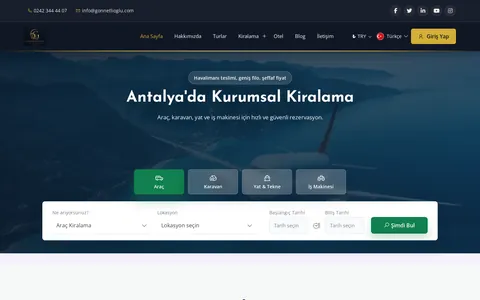
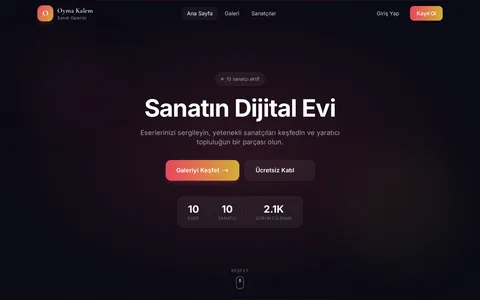
These websites are live. Visit them to explore the work yourself.
All project referencesFAQs
We assess the effect on existing data and flows first, then agree changes to scope, schedule, and acceptance scenarios. The version that changes a decision remains recorded. A seemingly simple field can also change how historical records are interpreted.
Review column meanings, date formats, and matching keys. Trial imports identify duplicates, missing values, and invalid records. Assign cleanup owners and approve totals and sample movements before planning the final migration.
No. They can apply by action, record, and organization. Someone may prepare a quote but not approve a price, or see only their branch. Exports and file access follow the same permission model.
Alongside tools we use, such as PHP/Laravel and MySQL, we assess query loads, integrations, and hosting. Interface choices follow use cases. Maintenance and deployment conditions matter more than popularity.
We examine supported file exchange or vendor-authorized middleware. Access to closed systems is not assumed. Unsupported connections are clearly excluded; direct database writes are not an automatic solution.
Document dates, statuses, and included records for each metric. Calculate expected results from known samples, then compare reports. Test cancellations, partial deliveries, and currencies separately where they affect results.
Authorized test accounts and agreed scenarios let operational users record results and issues together. Meetings take place in English or Turkish. Suitable test data is preferred to real customer data.
Think it through with us
Verifiable order, inventory, document, and payment flows between systems.
View detailsFlutter apps with defined permissions, offline tasks, and app store delivery.
View detailsOnline stores with consistent business rules from catalog browsing to returns.
View detailsBlog
Define your online store’s products, orders, and returns from the outset.
Compare sales channels by contribution margin, customer relationships, and inventory.
Make data flows between payments, warehouses, and shipping traceable.
Get a quote
Let's clarify your needs