Align Search Information with Each Location’s Service
Service hours matter as much as addresses and phone numbers. A restaurant can be open after its kitchen has closed, while takeaway may have a different schedule. Location pages explain these distinctions and identify who maintains special-date changes. Menu links and directions lead to the right location. Embedded maps are optional: data transfers and cookies inform the choice between an external link and an appropriately permitted map. Accessibility information is not guessed. Your business verifies conflicting hours between its Google Business Profile and website before launch.
Search planning follows the actual cuisine, menu, and location scope. Each real location keeps its own service details rather than generating identical neighborhood pages. Structured data does not add hidden price ranges or unsupported service claims. SEO services can examine menu views, location journeys, and reservation requests without promising rankings or full tables. Phone numbers and personal requests are not sent to measurement tools. Menu interactions use events independent of personal details, with advertising and analytics subject to the applicable permission requirements.
Bring Kitchen, Service, and Publishing Teams into the Plan
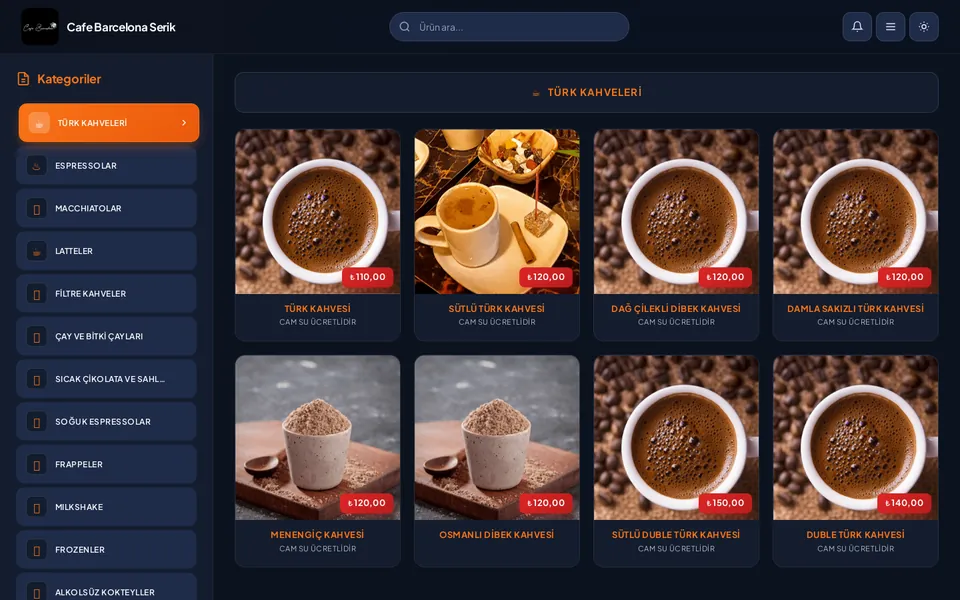
- Menu inventory: Identify categories, portions, options, and location differences. Link alternate spellings to shared product records.
- Content verification: Kitchen staff check descriptions and allergens. Cross-contact wording reflects actual preparation conditions; software does not replace food-safety advice.
- Service model: Agree who confirms table requests, available times, and how events differ from regular dining.
- Dashboard design: Separate central products from local prices. Agree update permissions and any prepublication review.
- Sample menu review: Evaluate long dish names, price changes, sold-out products, missing photographs, and different languages.
- Publishing handover: Agree permanent QR destinations, domain management, and menu owners. Include correct location routing in the handover checklist.
Delivery takes place under a written contract with invoices, source code handover, and dashboard instructions. One year of technical support covers the agreed QR routing and menu functions. New ordering, payment, or kitchen-production modules are separate development, not assumed features of a basic menu website.
Scoping a QR Menu Versus an Ordering System
A single-location menu and table-request website differs from a centrally managed multi-location catalog. Product options matter before raw item count: a fixed-price dish, portion alternatives, and extra ingredients need different fields. Content planning depends on who approves descriptions and allergens as well as language count. Without POS integration documentation, synchronization is not listed as if it already exists. An external ordering link may be simpler; an in-house system needs delivery limits, kitchen acceptance, payments, and cancellation events. Photograph preparation and converting old PDF content into structured entries are separated from development.
Use the quote form to tell us how many locations you have, who updates menus, and how table requests are approved. We review daily dashboard use through a sample category before applying the structure elsewhere. Event inquiries or special orders can be scoped within the relevant services; payment systems are not automatically proposed for every restaurant. Your business remains responsible for current prices, allergens, and commercial terms. Software supports orderly publishing but does not itself establish food safety or legal compliance.