
Your Remote Software Development Partner
Software Development Company in Turkey For Businesses in the UK, US, Ireland and EU
Our software development company in Turkey works remotely with businesses in the UK, US, Ireland and EU, as well as companies throughout Turkey. What are your customers unable to find, and which tasks does your team repeat? We explore those questions first, then bring the web interface, operational software, and integrations into one development plan built around your workflow.
Remote delivery from Turkey · 30+ live projects · Remote collaboration

- Code designed for maintenance
- Performance checked on real screens
- Deliverables defined from the start
- Technical guidance at launch
01 From Need to Service
Plan Your Customer Experience and Internal Operations Together
The screens your visitors see should connect with the tools your team uses. Our service categories describe the work to be completed, not just a design to order. Explore each service to understand its boundaries and the decisions your project will need.
All servicesWeb Design
Accessible, measurable web interfaces shaped around the content people need.
View detailsBusiness Websites
Websites that organize product information, company credentials, and inquiries for the right team.
View detailsEcommerce Development
Online stores with consistent business rules from catalog browsing to returns.
View detailsCustom Software Development
CRM, ERP, SaaS, and distributor portals built around your business rules.
View detailsMobile App Development
Flutter apps with defined permissions, offline tasks, and app store delivery.
View detailsAPI Integration
Verifiable order, inventory, document, and payment flows between systems.
View detailsSEO Services
SEO that considers crawling, search intent, and conversion data together.
View detailsGoogle Ads Management
Campaign management grounded in search intent, commercial value, and verified conversions.
View details02 How We Evaluate Our Work
Handover Means a Usable System, Not Just a Folder of Files
A screen that looks good on day one has missed its purpose if nobody can manage it six months later. We consider more than appearance: ownership, everyday use, change tracking, and responsibility for deployment all belong in the project plan.
- 30+
- live projects
- 81
- Turkish provinces served remotely
- 1 year
- of post-delivery support
A system you can take over
Source code, database, and access handover are part of closing the project. We also address setup information, so your next development decision reflects your business priorities rather than an obligation to stay with the same team. Third-party account and licensing terms are considered separately.
Performance assessed with real content
A speed score for an empty sample page is not enough. We check real images, long headings, and important user screens. Reducing unnecessary browser work, keeping layouts readable, and making content accessible to search engines inform our development decisions.
Decisions recorded in writing
With a contract and invoices, it should be clear what each payment covers. We document deliverables, payment stages, and approval responsibilities at the outset. When a new request comes up, we discuss how it relates to the agreed scope and what it changes rather than quietly adding it to the plan.
Customer screens connected to operations
A well-designed inquiry form matters, but so does where the inquiry goes. We consider design alongside data fields, user roles, and content management. The action offered to a user then connects to a workflow your team can sustain.
Help during the first year of use
One year of post-delivery technical support covers defects in the delivered work and questions about using it. New features, ongoing operations, and maintenance are distinct requirements. At launch, we explain what information to include when reporting an issue.
Remote communication you can follow
We review working features through screen sharing in English or Turkish and record decisions in writing. This model lets us assess software scopes with companies across Europe, the Gulf, Russia, and the CIS. Where time zones differ, we agree on meeting windows at the outset; progress is also documented between meetings.
03 Projects to Explore
Describe What You Need with an Example Screen
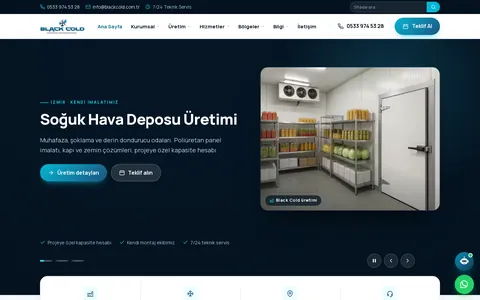
A catalog, a rental workflow, and a digital menu do not solve the same design problem. Explore the selected projects to see the differences. Note the functionality you need as well as the appearance you like; rather than copy an entire example, let’s discuss which parts suit your use case.
All project references
Black Cold
blackcold.com.tr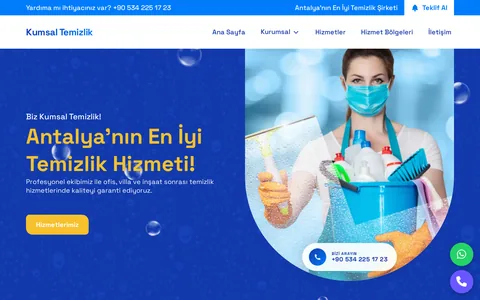
Kumsal Temizlik
kumsaltemizlik.com.tr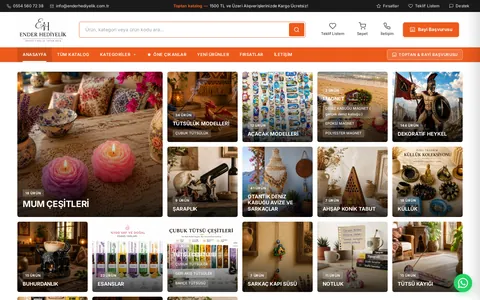
Ender Hediyelik
enderhediyelik.com.tr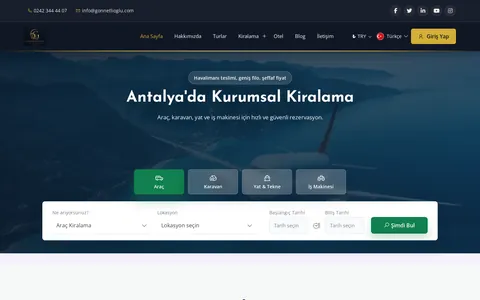
Gönnetlioğlu
gonnetlioglu.com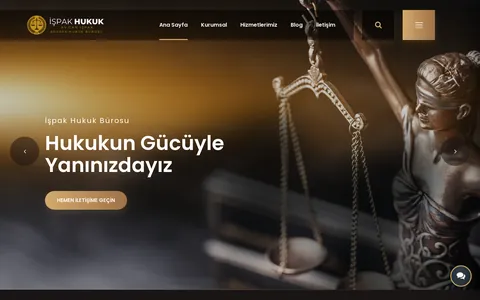
İşpak Hukuk & Danışmanlık
ispakhukuk.com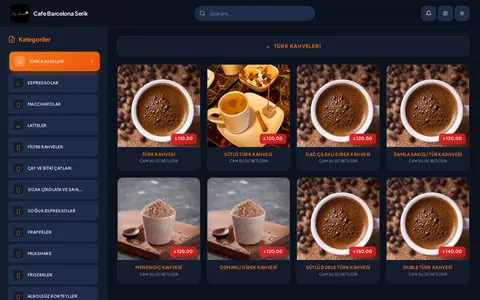
Cafe Barcelona Serik
cafebarcelonaserik.com.tr04 Project Workflow
Each Stage Ends with a Decision and a Tangible Output
A plan is more than a task sequence. It should show what information you need to provide, what you will review, and which approval allows the work to move forward. This shared framework is adapted to the size of your project.
Define the Problem
We walk through an example of how the work happens today, identifying users, bottlenecks, and the priority outcome. The first output is a discovery note that records requirements and questions still to be answered.
Agree on the Scope
We separate the first release from ideas for later. Responsibilities for content, account access, and external services are recorded. While reviewing the written proposal, we clarify outstanding assumptions and build the work plan around those decisions.
Map the User Journey
We show how a visitor or employee will complete a task on screen. Navigation, information priority, and mobile use are considered together. Feedback at this stage is about whether the workflow is represented correctly, not just color preferences.
Review Working Features
As approved workflows become working software, we share progress in a test environment. We ask you to use screens with realistic sample data. This makes differences between expected and implemented behavior visible before launch.
Prepare for Launch
We check critical actions, form notifications, and access permissions. Content migration and domain changes are handled separately. Before agreeing to launch, we review whether the person using the admin dashboard can complete the main tasks.
Learn from Actual Use
We record issues with the relevant screen, action, and expected result. Defect fixes are distinguished from new feature requests. Further development follows the priorities your business identifies through use rather than guesswork.
05 Industry Workflows
Different Businesses Need Different Information from a Form
A repair request needs equipment details; a manufacturing inquiry needs specifications; a rental needs dates. Our industry guides explore these differences. Use them to consider what helps a visitor decide and how your business will process that information.
All industries06 Technology Choices
Technology Selected for How Your Project Will Be Used
Not every screen needs a heavy application framework, and not every requirement belongs in one tool. We consider PHP and Laravel for server-side work, Vue.js and React for interactive interfaces, and Flutter for mobile projects. Maintainability, existing systems, and deployment conditions guide the choice.
- Laravel
- PHP 8
- MySQL
- JavaScript
- Vue.js
- React
- Flutter
- REST API
- HTML5 & CSS3
- Cloudflare
- Git
- Linux
Before You Start
Thinking About Working Together?
These answers focus on commissioning a project and getting started. Detailed technical scope for an integration, design, or app is covered on the relevant service page.
What should I prepare for the first conversation?
A short note about your business, intended users, and the task that is causing difficulty is a useful start. Include your current website, an example workflow, and any target date. You do not need a detailed technical specification; we will identify unanswered decisions together. Use anonymized examples rather than sharing real customer data at this stage.
What if I am not sure which service I need?
Describe what you want to change rather than naming a product. Entering the same order in two places may be an integration issue; visitors struggling to find the right product may need better content or navigation. We distinguish the options by their purpose and use the quote form as an initial brief.
How should I compare two proposals?
Compare deliverable lists, not just totals. Content entry, data migration, account setup, training, and external service costs may fall to different parties. If a feature is only named, ask how it will work. Two proposals with similar headings can involve different responsibilities.
Can we start with a smaller scope to fit our budget?
If features can be separated, the first release can be smaller. The core user task must still work from start to finish: we choose a complete, usable part rather than launch a broken partial journey. We discuss why work is deferred and which dependencies remain for the next stage when reviewing the proposal.
Who should oversee the project on our side?
Choose someone who understands the work and can consolidate internal feedback. Content approval, user experience, and technical access may involve different people; we agree which decisions each person participates in. Consolidated feedback reduces the need to reopen decisions based on scattered messages.
What do you need from us to meet the planned launch date?
The schedule includes more than development. Copy and images, domain permissions, account creation, and interim approvals all affect it. If your target date is fixed, we identify these dependencies first. When information is delayed, we explain the impact and review scope or launch order together.
How can I review a project delivered remotely?
Alongside meeting presentations, we share screens you can review and written decision notes. Progress reviews distinguish completed features from work still under discussion. Meetings take place in English or Turkish. You can participate remotely without arranging an office visit.
What happens if a new need arises after approval?
We compare it with the existing goal first. Fixing a defect, completing previously agreed behavior, and expanding scope are different things. Any cost or schedule impact is explained before implementation. If priorities change, we also agree which work moves out of the way.
About HazırSoft
A Digital Investment Starts with a Business Problem, Not a Feature List
Choosing a software development company in Turkey starts with the problem you need to solve. Product information may live in several places, nobody may know who owns an inquiry, or customers may keep asking the same question. HazırSoft first considers that problem in its business context. Choosing technology before defining the issue can lead to spending on features you do not need.
Cross-border software development from Turkey
Development scope, test scenarios, and technical deliverables can stay in one project record even when the product owner is based in another country. Our software development outsourcing guide explains nearshore and offshore decisions through time-zone planning, code handover, confidentiality, and acceptance. This is an option for commissioning remote development from Turkey, not a claim of completed client projects in each country.
A web experience that helps visitors decide
Our web design services consider information order, visual layout, and task steps together. A business website should explain what you do and how to take the next step. An ecommerce website also needs to make product selection, delivery, and ordering decisions clear. Two sites may use the same colors but answer very different questions.
Turning internal workflows into usable screens
For custom software development, we first identify who starts a task, who approves it, and what data it creates. That workflow determines the screen fields. When considering mobile app development for field use, we also review device conditions and access to existing data. A mobile screen should not simply be a smaller version of a web dashboard.
Connecting inquiry collection with inquiry handling
A form submission can be technically successful without reaching the right person in your business. In that case, the business goal is still unmet. Similarly, when discussing SEO services, we consider the purpose of a page and its contact journey alongside visitor numbers. Advertising or content cannot replace an unusable sales workflow.
Consider the next change without building everything now
A new language, another user role, or an additional data source may not be confirmed today. Recording these ideas does not mean implementing all of them in the first release. Realistic near-term changes inform the design; distant possibilities are kept separate to avoid unnecessary scope growth. The starting scope stays understandable.
Questions to use when evaluating a project
- Which steps will the priority user take to complete the main task?
- Who will update content or product information, and how often?
- Are access and account responsibilities for external systems clear?
- Does pre-launch acceptance include realistic usage examples?
- How will a new request be distinguished from agreed work?
Our industry solutions explore these questions in different business settings. Our portfolio shows examples with documented features. Use both as comparison material to describe your project more precisely, rather than as a feature catalog.
Get a quote
Start with the Task You Want to Improve
You may have a screen in mind or an operational problem you cannot yet name. Share the current situation and the change you want; we will identify the decisions needed in the first conversation.